Choosing the best sunscreen under makeup can make a big difference in how your skin looks and feels throughout the day. The right sunscreen not only protects your skin from harmful UV rays but also creates a smooth base for foundation, concealer, and other makeup products. However, not every sunscreen works well under makeup. Some formulas feel greasy, leave a white cast, pill when layered with foundation, or make your makeup slide off.
If you want sun protection without compromising your makeup routine, choosing the right formula is essential. In this guide, we’ll explore how to choose the best sunscreen under makeup, practical product options, application tips, and common mistakes to avoid.
Why Wearing Sunscreen Under Makeup Matters
Sunscreen is an important part of everyday skincare, even when you wear makeup. UV exposure can contribute to premature aging, dark spots, uneven skin tone, and sun damage.
Applying sunscreen before makeup helps protect your skin while allowing you to enjoy your usual beauty routine. However, remember that foundation with SPF should not automatically replace your regular sunscreen. Most people don’t apply enough foundation to achieve the level of protection shown on its packaging.
For daily use, look for a broad-spectrum sunscreen with SPF 30 or higher. If you spend extended time outdoors, SPF 50 can be a practical choice.
Best Sunscreen Under Makeup: Practical Picks
Different sunscreens work for different skin types and makeup preferences. Here are some popular options worth considering:
- Supergoop! Unseen Sunscreen SPF 40: A good option if you prefer a transparent, primer-like gel texture. It works well for people who want a smooth base without a visible white cast.
- Beauty of Joseon Relief Sun SPF 50+: A lightweight, moisturizing option worth considering for normal to dry skin. Its creamy texture can work nicely under natural-finish foundation.
- La Roche-Posay Anthelios UVMune 400: Worth considering if you want high UVA protection and a lightweight facial sunscreen. Choose a finish that suits your skin type and check the specific product version available in your market.
- CeraVe Hydrating Mineral Sunscreen SPF 30: A practical option for people who prefer mineral filters and a moisturizing formula. It may need extra blending, particularly on deeper skin tones.
- Supergoop! Glowscreen SPF 40: Ideal for those who enjoy a radiant makeup base. It gives the skin a glowy appearance and can work particularly well under dewy foundation.
These are starting points rather than universal recommendations. Sunscreen performance under makeup depends on your skin type, the amount you apply, and how well the formula works with your other skincare products. Product availability and formulations can also vary by country. Recent beauty-editor recommendations highlight lightweight gel, fluid, and tinted formulas as useful choices for makeup wear.
Ulta Beauty
+2
How to Choose the Best Sunscreen for Your Skin Type
Before purchasing sunscreen, consider your skin type and the finish you want your makeup to have.
1. For Oily Skin
If your skin becomes shiny a few hours after applying makeup, choose a lightweight gel, fluid, or oil-control sunscreen. Look for a non-greasy, matte or natural finish.
Avoid applying too many heavy skincare products underneath sunscreen because multiple rich layers can make your foundation feel slippery.
2. For Dry Skin
Dry skin usually benefits from hydrating sunscreens containing ingredients such as glycerin, hyaluronic acid, or ceramides. These ingredients help maintain skin hydration and can make foundation look smoother.
Choose a moisturizing formula with a natural or dewy finish. However, avoid applying excessive moisturizer and sunscreen together, as too many layers may affect makeup application.
3. For Sensitive Skin
If your skin is easily irritated, consider fragrance-free mineral sunscreen containing zinc oxide or titanium dioxide. These filters are often suitable for people who prefer mineral-based protection.
Always check the ingredient list and test a new product on a small area before applying it to your entire face.
4. For Combination Skin
Combination skin needs a balanced formula that provides hydration without making the T-zone excessively shiny. A lightweight lotion or gel-cream sunscreen is often a good starting point.
You can also use a small amount of mattifying primer on oily areas while keeping the rest of your face naturally hydrated.
How to Apply Sunscreen Under Makeup Correctly
Even the best sunscreen may not perform well if you apply it incorrectly. Follow these simple steps for better sun protection and smoother makeup.
- Cleanse your face: Start with a gentle cleanser to remove excess oil, sweat, and dirt.
- Apply moisturizer: Use a lightweight moisturizer suitable for your skin type. If your sunscreen provides enough hydration, you may not need an additional moisturizer.
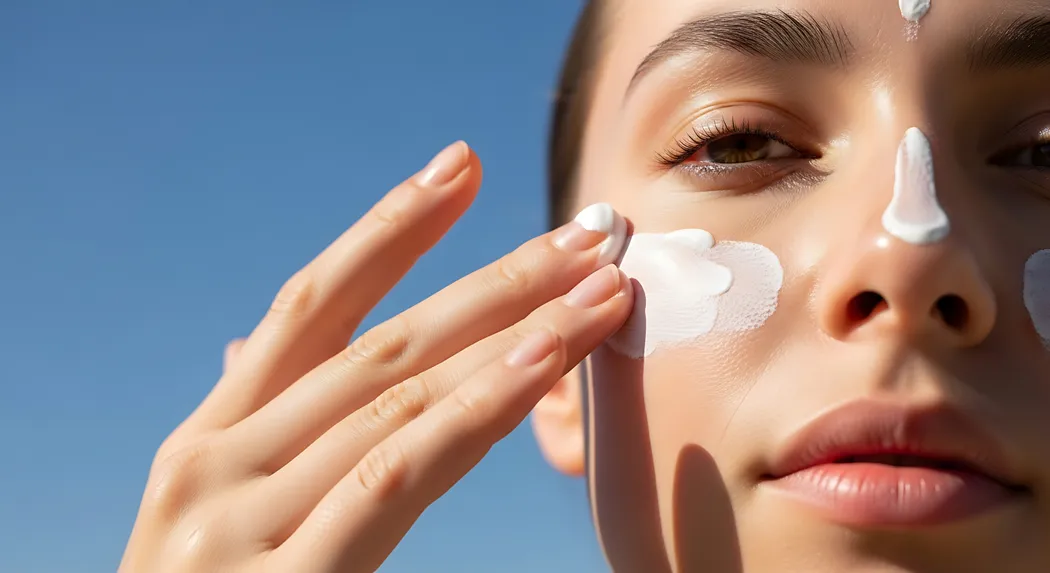
- Apply sunscreen generously: Use approximately two finger lengths as a practical guide for the face, adjusting as needed to cover the face, ears, and neck properly. Follow the product’s directions.
- Allow it to set: Give sunscreen time to form an even layer before applying makeup. Around 5–10 minutes is a useful starting point, although the product instructions should take priority.
- Apply primer if needed: If your makeup requires extra grip or pore-blurring, use a thin layer of primer after sunscreen has settled.
- Apply foundation gently: Use a damp makeup sponge or soft brush and gently press foundation onto your skin instead of rubbing aggressively.
The most important thing is to avoid mixing sunscreen directly into foundation or moisturizer. Mixing products can dilute or interfere with the sunscreen’s tested protection.
Buying Tips: What to Look for Before Purchasing
Not sure which sunscreen is worth your money? Keep these important factors in mind:
- SPF 30 or higher: Choose a broad-spectrum sunscreen with at least SPF 30 for everyday protection.
- Lightweight texture: Gel, serum, and fluid formulas are often easier to layer under foundation.
- No visible white cast: If you have a medium or deep skin tone, consider transparent or well-matched tinted formulas.
- Non-comedogenic labeling: This can be useful if you are prone to clogged pores, although no label guarantees that a product will never cause breakouts.
- Water resistance: If you sweat frequently or spend time outdoors, consider a water-resistant sunscreen. Check whether it offers 40 or 80 minutes of water resistance.
- Suitable ingredients: Choose ingredients and filters that your skin tolerates comfortably.
- Authentic products: Purchase from trusted retailers and check the expiry date, packaging, and product seal.
For people living in hot and humid climates, such as Bangladesh, lightweight, sweat-resistant formulas can be especially practical. A heavy sunscreen may feel uncomfortable in humid weather, so test the texture before making a full-size purchase.
Common Sunscreen Mistakes to Avoid Under Makeup
A few small mistakes can affect both your sun protection and makeup finish.
- Applying too little sunscreen: Using a very small amount can leave your skin inadequately protected.
- Skipping sunscreen on cloudy days: UV rays can still reach your skin when the sun is not visible.
- Applying foundation too quickly: Rushing through your routine can cause sunscreen and foundation to pill.
- Choosing the wrong texture: A thick, greasy formula may not work well with your primer or foundation.
- Forgetting to reapply: Sunscreen should generally be reapplied every two hours when outdoors, and after swimming, sweating, or towel drying.
- Depending only on makeup with SPF: Foundation and compact powder usually aren’t applied in sufficient quantities to provide their advertised SPF protection.
Frequently Asked Questions (FAQs)
1. Can I apply sunscreen directly under foundation?
Yes. Apply sunscreen after your skincare routine and before primer or foundation. Allow it to settle before applying makeup.
2. Which sunscreen is best under makeup for oily skin?
Lightweight gel-based or fluid sunscreens with a matte or natural finish are good options. Look for formulas that absorb quickly and don’t leave a greasy layer.
3. Should I use sunscreen before or after primer?
Apply sunscreen before primer. Sunscreen should be the final step of your skincare routine, followed by primer and makeup.
4. How long should I wait before applying makeup over sunscreen?
Around 5–10 minutes is a useful starting point. However, drying time depends on the formula, so follow the product instructions and make sure the sunscreen has settled.
5. Can I use sunscreen as a makeup primer?
Yes, some sunscreens have primer-like textures that create a smooth base for foundation. However, not every sunscreen provides the same blurring or makeup-gripping effect as a dedicated primer.
6. How do I reapply sunscreen without ruining makeup?
Reapplication can be challenging, but you can gently press a suitable sunscreen over makeup using a clean makeup sponge. SPF powders and sprays may be convenient for touch-ups, but they should not replace a properly applied sunscreen layer.
Final Thoughts
Finding the best sunscreen under makeup doesn’t have to be complicated. The key is choosing a formula that offers broad-spectrum SPF protection while matching your skin type, preferred makeup finish, and daily routine.
If you have oily skin, try a lightweight gel or matte sunscreen. For dry skin, consider a hydrating formula, while sensitive skin may benefit from a suitable fragrance-free mineral option. Most importantly, apply enough sunscreen, allow it to settle, and remember to reapply when needed.
A good sunscreen should complement your makeup routine, not make it more difficult. With the right product and application technique, you can enjoy a comfortable makeup finish while making daily sun protection a priority.