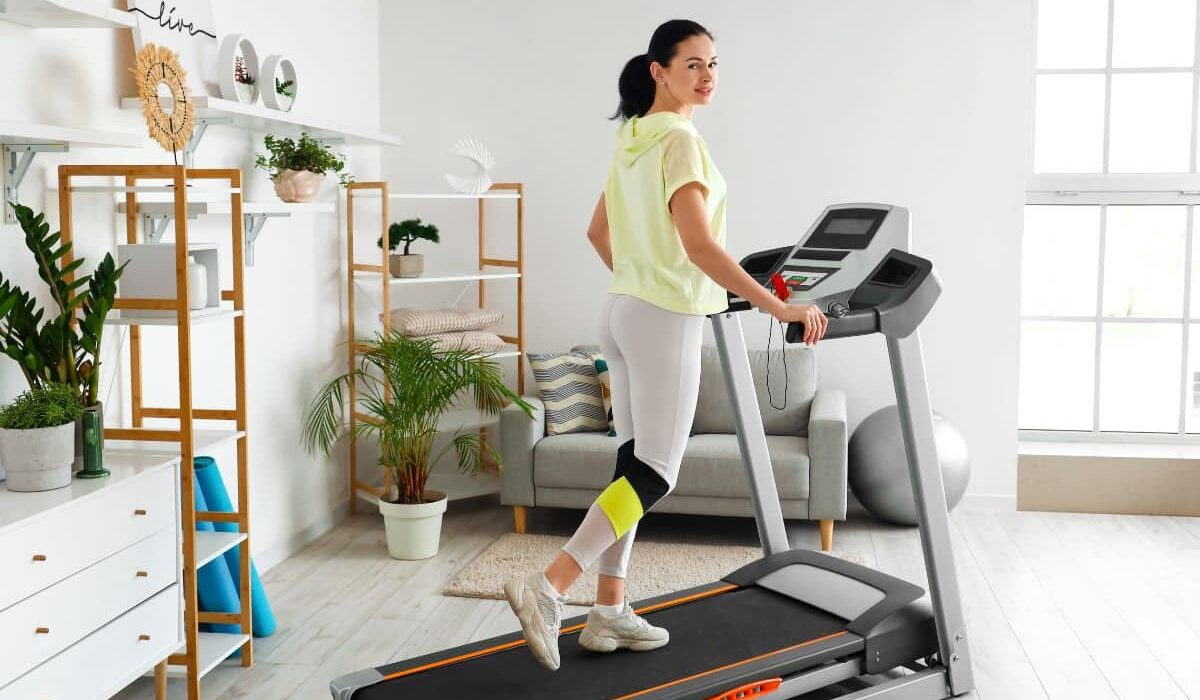
Getting started with running can feel challenging, especially if you’re new to exercise. You might not know how fast to run, how long your workouts should be, or how to use a treadmill properly. The good news is that treadmill running is one of the easiest ways to build your fitness, improve endurance, and develop a consistent exercise routine.
Whether you’re working out at home or visiting the gym, a treadmill gives you control over your speed, distance, and workout intensity. You can start slowly, adjust your routine as you improve, and exercise regardless of the weather outside.
If you’re a beginner looking to make the most of your workouts, this treadmill running guide will walk you through everything you need to know, from getting started to building a routine that works for you.
1. Understand the Basics of Treadmill Running
A treadmill is a cardio exercise machine that allows you to walk, jog, or run indoors on a moving belt. Unlike outdoor running, you don’t need to worry about traffic, uneven roads, or bad weather.
Most modern treadmills include adjustable speed settings, incline options, distance tracking, and workout programs.
For beginners, the biggest advantage is having control over your pace. You can start with comfortable walking and gradually introduce jogging as your fitness improves.
You don’t need to run fast or cover long distances right away. Building consistency is much more important than pushing yourself too hard.
2. Choose the Right Treadmill Settings
Before starting your workout, take a moment to understand the treadmill controls.
Here are the main settings you’ll use:
- Speed: Controls how quickly the treadmill belt moves.
- Incline: Adjusts the angle of the running surface to simulate uphill movement.
- Distance: Tracks how far you’ve walked or run.
- Time: Shows how long you’ve been exercising.
- Calories: Provides an estimate of energy expenditure.
If you’re a beginner, start with a comfortable walking speed. A pace of around 3–4 km/h may work for easy walking, while 5–6 km/h may feel like brisk walking for some people.
Once you’re comfortable, you can gradually increase your speed to introduce light jogging.
Remember that everyone’s fitness level is different, so choose settings that allow you to maintain good form without feeling overwhelmed.
3. Always Start With a Warm-Up
One of the most common mistakes beginners make is starting to run immediately without warming up.
A proper warm-up prepares your muscles and cardiovascular system for exercise. It also helps you transition gradually from rest to activity.
Before running, spend around 5–10 minutes walking at an easy pace.
You can also include gentle dynamic movements such as leg swings, ankle circles, and marching in place.
Avoid starting with a high speed or steep incline. Give your body enough time to adjust before increasing the intensity.
4. Learn the Correct Running Form
Good running form can make your treadmill workouts more comfortable and efficient.
Keep these basic tips in mind:
- Look straight ahead instead of constantly looking down at your feet.
- Keep your shoulders relaxed and avoid unnecessary tension.
- Bend your elbows naturally and allow your arms to move comfortably.
- Maintain an upright posture with a slight forward lean from the ankles.
- Take comfortable steps rather than trying to reach too far forward.
- Land naturally and avoid forcing a particular foot-strike pattern.
Try not to hold the treadmill handrails while running unless you need them for balance or safety.
If you feel unstable, slow down or stop rather than trying to maintain a speed that is too challenging.
5. Follow a Beginner-Friendly Treadmill Running Routine
You don’t need an advanced training plan to begin treadmill running. A simple routine that combines walking and jogging is often a great starting point.
Here is an example of a beginner-friendly 20-minute workout:
| Workout stage | Duration | Activity |
|---|---|---|
| Warm-up | 5 minutes | Easy walking |
| Main workout | 2 minutes | Light jogging |
| Recovery | 3 minutes | Comfortable walking |
| Main workout | 2 minutes | Light jogging |
| Recovery | 3 minutes | Comfortable walking |
| Cool-down | 5 minutes | Slow walking |
Adjust the speed according to your fitness level. If jogging feels too difficult, replace the running intervals with brisk walking.
As your endurance improves, you can gradually increase the jogging intervals and reduce the recovery periods.
Start with two or three sessions per week and allow enough recovery time between harder workouts.
6. Experiment With Treadmill Incline
One useful feature of a treadmill is the ability to adjust the incline.
Running or walking on an incline can increase workout intensity and challenge your leg muscles differently.
However, beginners should start with a flat treadmill or a very gentle incline.
Once you’re comfortable, try adding a small incline during walking intervals. Avoid suddenly increasing both speed and incline because this can make your workout unnecessarily difficult.
You don’t need a steep incline to get an effective workout. Focus on maintaining a comfortable pace and good posture.
7. Wear Comfortable Clothing and Running Shoes
The right workout clothing can make treadmill running more enjoyable.
Choose comfortable athletic clothing that allows you to move freely. Lightweight, breathable fabrics are useful because they help manage sweat during exercise.
Running shoes are especially important. Look for a pair that fits properly, provides suitable cushioning, and feels comfortable during walking and running.
Avoid wearing shoes that are too tight or already worn out.
It’s also helpful to keep a water bottle and a small towel nearby so you can stay comfortable throughout your workout.
8. Avoid Common Treadmill Running Mistakes
Beginners often make a few mistakes when learning to run on a treadmill.
Here are some things to avoid:
Starting too fast: Running at a high speed immediately can leave you exhausted. Begin slowly and increase your pace gradually.
Skipping the warm-up: Always give your body time to prepare before running.
Holding the handrails unnecessarily: Constantly holding the rails can affect your natural running posture. Use them when needed for safety, but avoid relying on them during normal running.
Taking excessively long steps: Overstriding can make running feel uncomfortable. Focus on natural, controlled steps.
Ignoring recovery: Your body needs time to recover between workouts. Rest days are an important part of improving fitness.
Increasing intensity too quickly: Avoid making sudden jumps in speed, distance, or incline. Gradual progress is safer and easier to maintain.
9. Track Your Progress and Stay Consistent
One of the best ways to stay motivated is to track your treadmill workouts.
Pay attention to how long you exercise, how far you run, and how comfortable you feel during each session.
You can also record your average speed and incline to see how your fitness develops over time.
Don’t compare your progress with other runners. Everyone starts at a different fitness level, and improvement takes time.
Set small, realistic goals, such as completing a 20-minute workout or jogging continuously for five minutes.
Celebrate these milestones because they show that your hard work is paying off.
10. Listen to Your Body
Although treadmill running offers many fitness benefits, it’s important to recognize your body’s limits.
Feeling slightly tired after exercise is normal, but sharp pain, dizziness, chest discomfort, or unusual shortness of breath are warning signs that you should stop exercising.
Stay hydrated, get enough sleep, and allow your muscles to recover between workouts.
If you have an existing medical condition or are unsure whether running is appropriate for you, speak with a healthcare professional before beginning a new exercise program.
Final Thoughts
Treadmill running is a convenient and beginner-friendly way to improve cardiovascular fitness, build endurance, and develop a regular exercise habit.
The key is to start slowly, learn proper running form, choose comfortable settings, and increase your workout intensity gradually.
You don’t need expensive equipment or complicated training plans to get started. A comfortable pair of running shoes, a simple workout routine, and consistency are enough to begin your journey.
Be patient with yourself, enjoy the process, and remember that every workout is a step toward becoming a stronger and healthier version of yourself.